
Spinal health advice in Blacktown
Your spine supports you, protects your spinal cord and lets you bend, twist and lift. Looking after it is less about perfect posture and more about strength, movement and knowing when something needs attention.
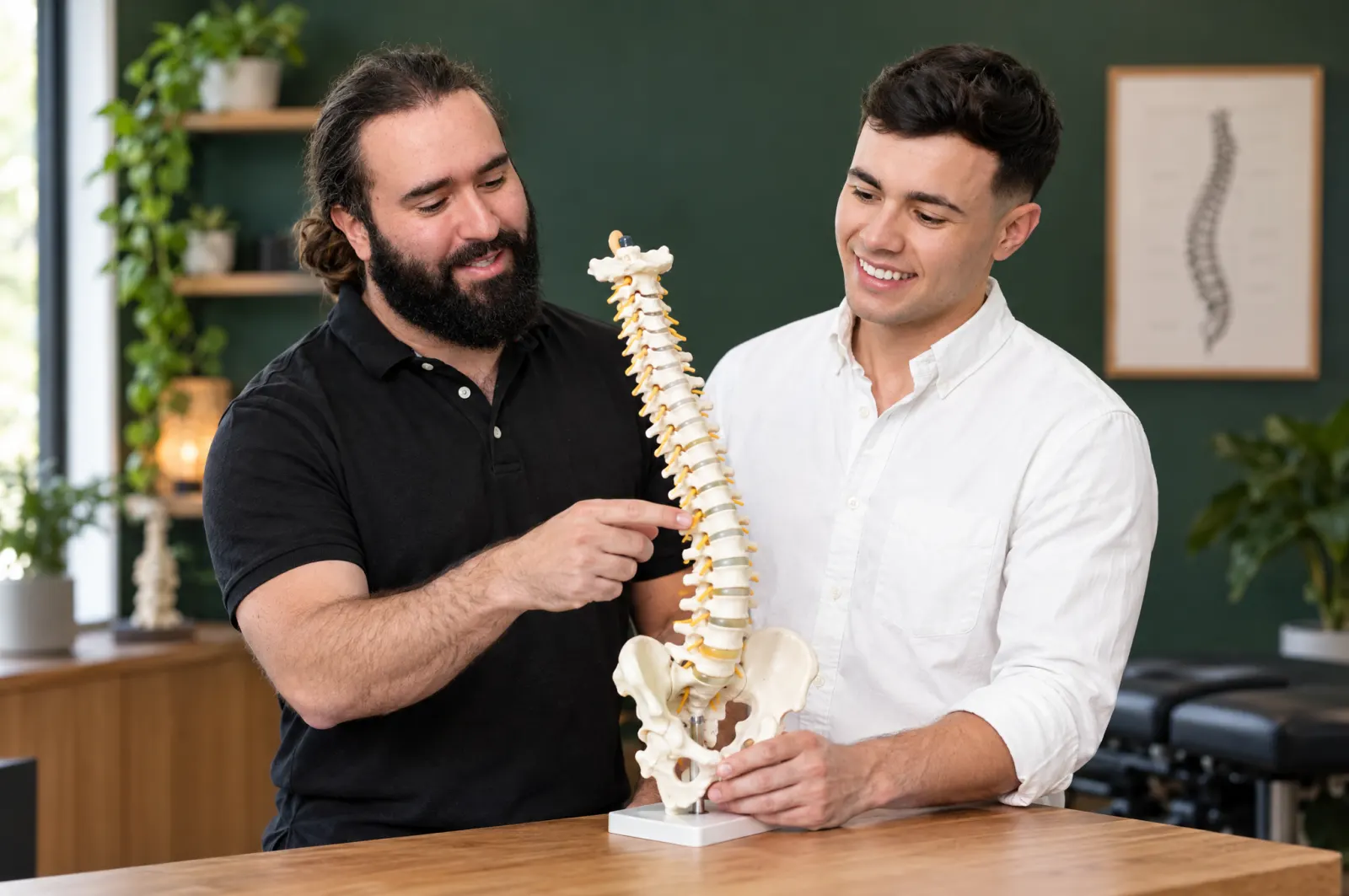
Understand your back. Move with confidence.
Spines are built to move. Regular, varied activity helps keep joints and muscles healthy.
- We focus on how well your spine moves and functions, not on chasing a perfect shape.
- An assessment can help when stiffness or pain starts affecting what you do.
Your spine, step by step
Stage 1 of 5
How your spine works
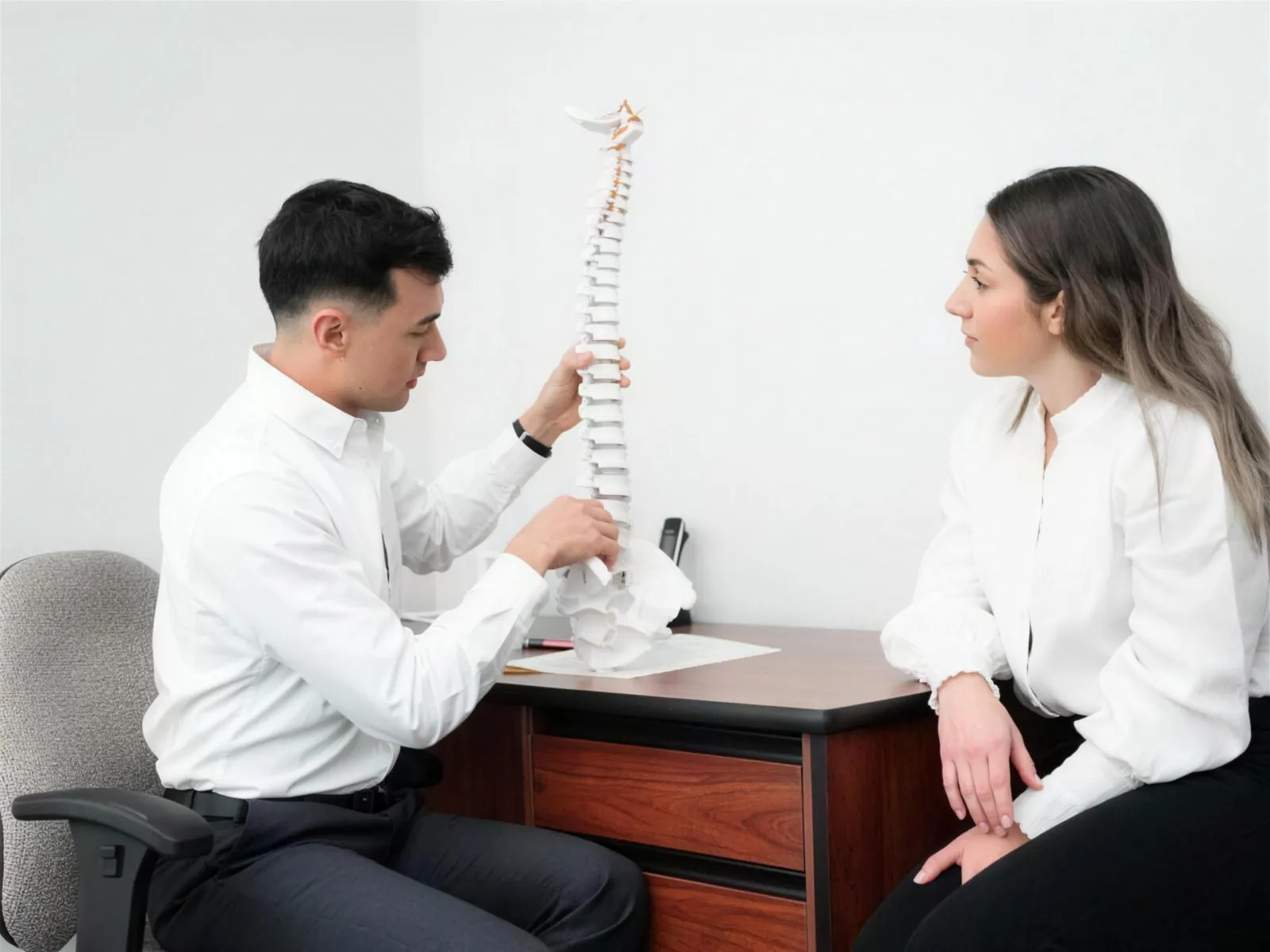
Your spine is made of 24 movable vertebrae plus the sacrum and tailbone, separated by discs that absorb load.
How the parts work together
Small joints at the back of each level guide movement, while layers of muscles and ligaments provide support and control. Nerves branch out between the vertebrae to the rest of your body.
Because so many structures work together, spine problems rarely have one simple cause. Stiffness in one region, weakness in another, sleep, stress and workload can all play a part.
Stage 2 of 5
Spinal health is more than alignment
A healthy spine is not one that looks perfectly straight on an X-ray. It is one that moves comfortably, tolerates the loads of your day and recovers well.
What else supports your spine
Strength, fitness, sleep and confidence in movement all contribute, which is why our advice covers far more than hands-on care. If posture or 'alignment' is your main concern, our posture and alignment guide explains how we approach it.
Stage 3 of 5
When an assessment is useful
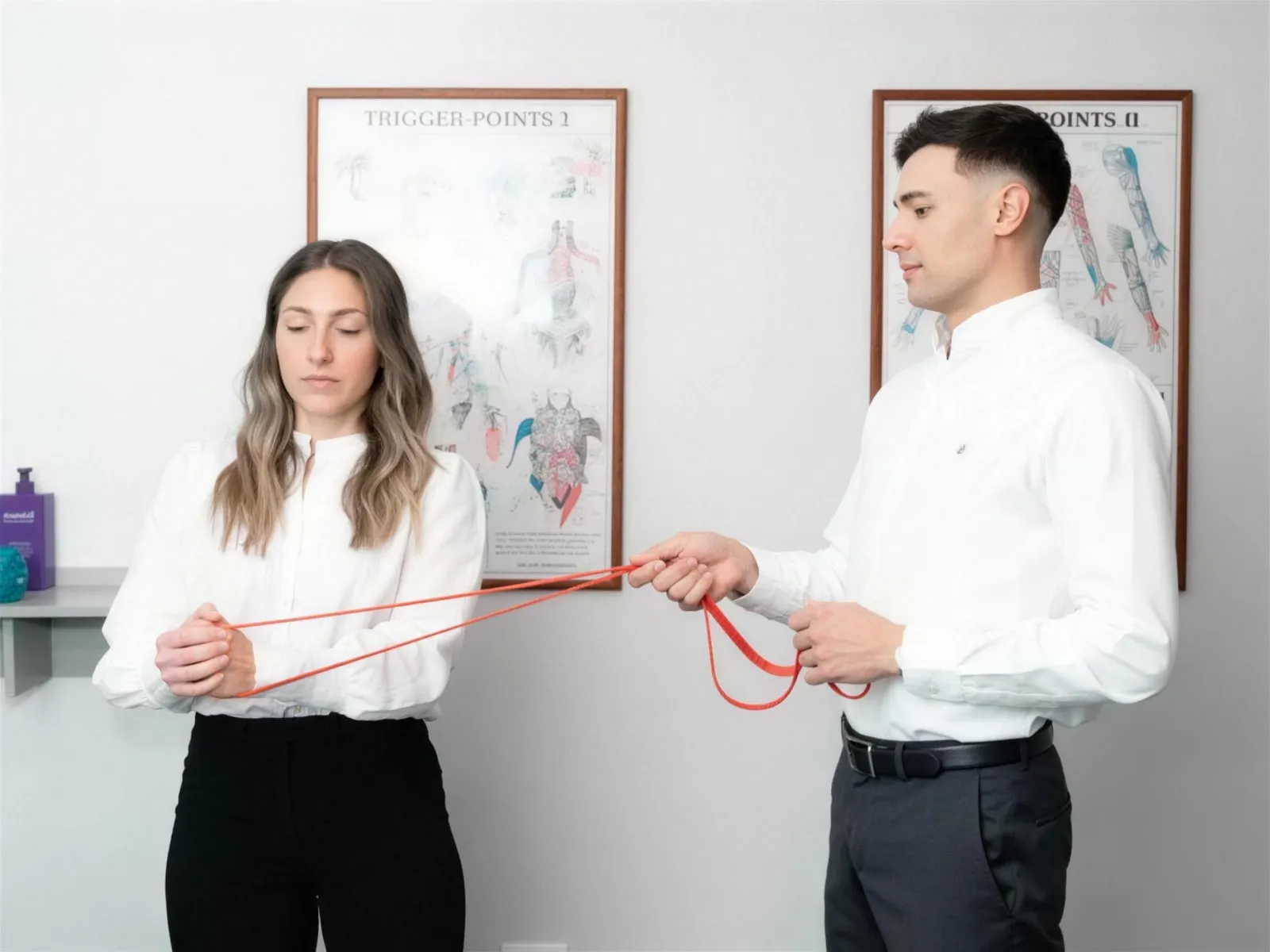
Consider booking if stiffness or pain lasts more than a week or two, keeps coming back, or stops you doing normal activities.
What an assessment gives you
An assessment can identify contributing factors and give you a clear plan, whether that is treatment, exercises or a referral.
Seek urgent medical care instead if you have back pain with fever, unexplained weight loss, a recent significant fall or accident, loss of bladder or bowel control, or numbness around the groin or buttocks.

Stage 4 of 5
Reading your spine scans in context
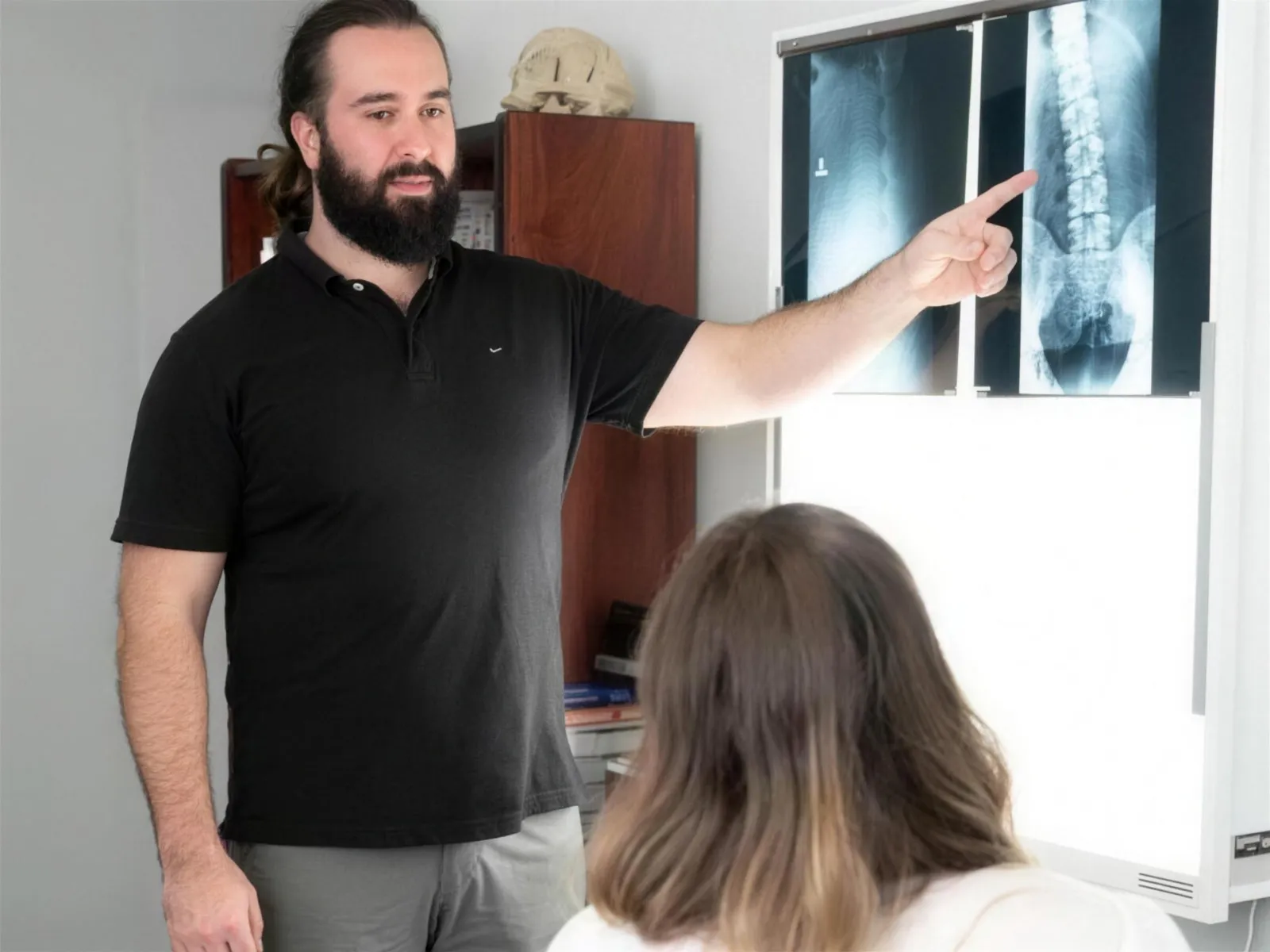
Many people arrive worried about words on an X-ray or MRI report, such as degeneration, disc bulge or arthritis.
What these findings usually mean
These findings are very common in people without any pain and become more common with age. Your chiropractor can talk you through what your report means, which findings may be relevant to your symptoms and which are simply normal changes, so you can move with more confidence.
Stage 5 of 5
Spinal health at every stage of life
Spinal needs change over time, from desk-based work and parenting to pregnancy and later life.
How we tailor advice
Our chiropractors tailor advice to where you are now, and the original clinic has long welcomed older patients and those who are pregnant.

Everyday habits that support a healthy spine
Small, consistent habits tend to help more than any single fix:
Move often
Break up long periods of sitting or standing with short walks or stretches.
Build strength
General strength training, including the legs, hips and trunk, supports your back.
Lift with control
Keep loads close, and progress gradually rather than all at once.
Sleep and recover
Good sleep and stress management influence how sensitive your body feels.
Stay active when sore
For most everyday back pain, gentle activity is better than bed rest.
This page is general information only and is not a substitute for individual advice. If you are unsure whether your symptoms need urgent care, call your GP, healthdirect on 1800 022 222, or 000 in an emergency.
Common questions
Spinal health: your questions
We avoid that promise. Adjustments and other techniques aim to improve joint movement and reduce discomfort; they are not about permanently moving bones into a new position.
No. Healthy spines have natural curves, and minor asymmetry is common. Your chiropractor will explain whether anything they find is likely to be relevant to your symptoms.
Some people like advice on exercise or work set-up before problems start. There is no obligation to have ongoing care if you are feeling well.
Rather we book you in?
Leave your details and we’ll call you to book
Not sure which practitioner or time suits you? Our Blacktown reception team will call you, answer your questions and find a time with you.
- No obligation
- Reception calls you back to book
- Prefer to talk? Call (02) 9622 5652
Visit the clinic
118 Bungarribee RdBlacktown NSW 2148
Parking available · Disabled ramp access
- Monday – Friday
- Saturday